SciCoCo.nrw 2026 – Science, Compute, Connect
Scientific Computing in Dialogue
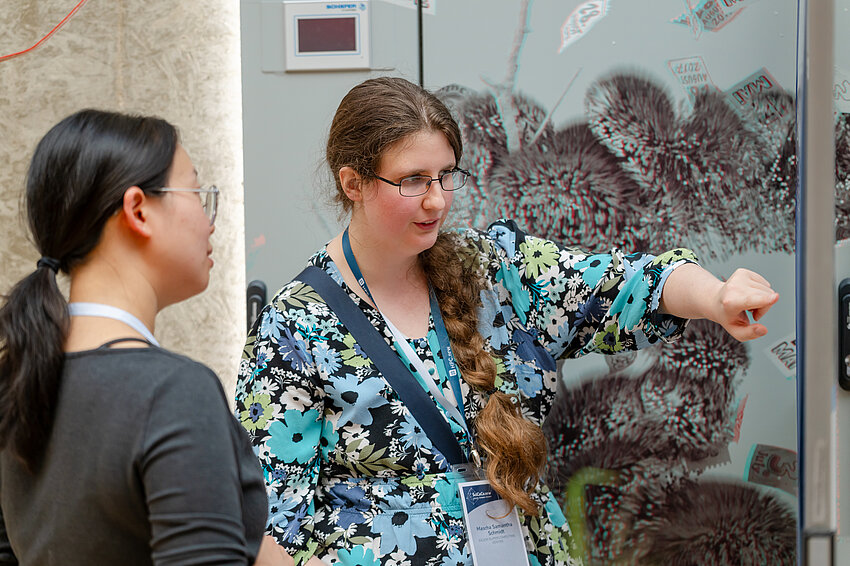
From 21 to 23 September 2026, the IT Center at RWTH Aachen University became a meeting place for the scientific computing community in North Rhine-Westphalia. With the first SciCoCo.nrw, HPC.nrw brought together researchers, software developers, data stewards, and AI experts. The three-day programme combined expert insights and hands-on formats with ample opportunities for personal exchange.
Thematically, SciCoCo.nrw spanned high-performance computing and research software engineering, research data management, artificial intelligence, and data literacy. The different tracks provided numerous opportunities for professional exchange and made the event a place where diverse perspectives on scientific computing came together.
Technical Impulses and Practical Exchange
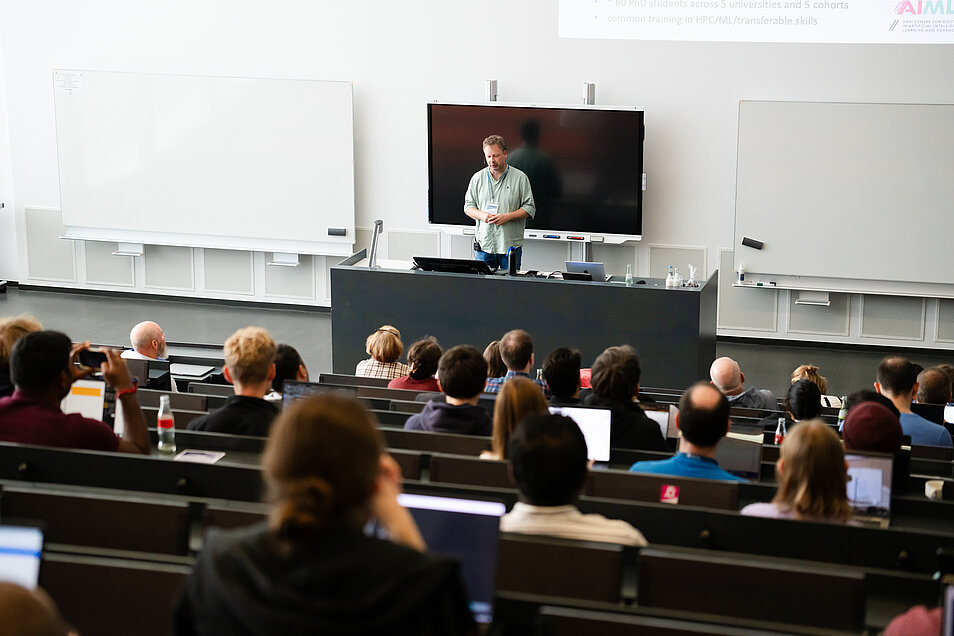
Four keynote talks provided important professional impulses throughout the three-day event. Prof. Gert Aarts (Bielefeld University) opened the program with “Why AI is just like theoretical physics” and explored the connections between artificial intelligence and theoretical physics. Prof. Dr. Michael Hanke (FZJ) addressed new perspectives on scientific collaboration and incentive structures in his talk “Carrots! Not Sticks!”.
With “Outcomes we can sell: The JuPedSim Story”, Kai Kratz (FZJ) and Pit Steinbach (FZJ) demonstrated how scientific software can generate concrete and usable outcomes. Dr. Hubertus van Dam (University of Duisburg-Essen) provided insights into different ways of using HPC infrastructures for scientific applications with his talk “Many ways of using the HPC toolbox”.
Connection and networking at the heart of the event
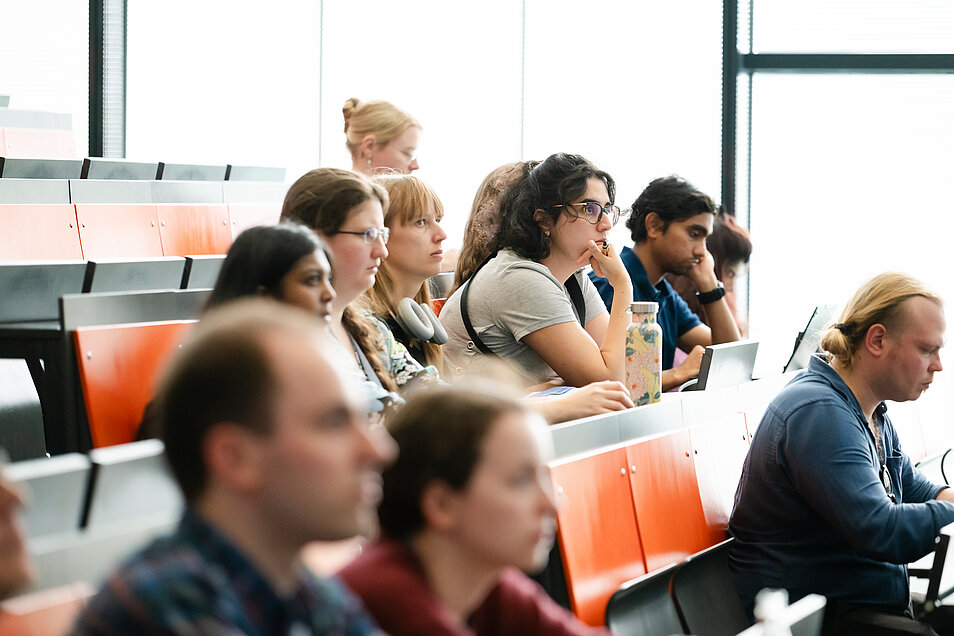
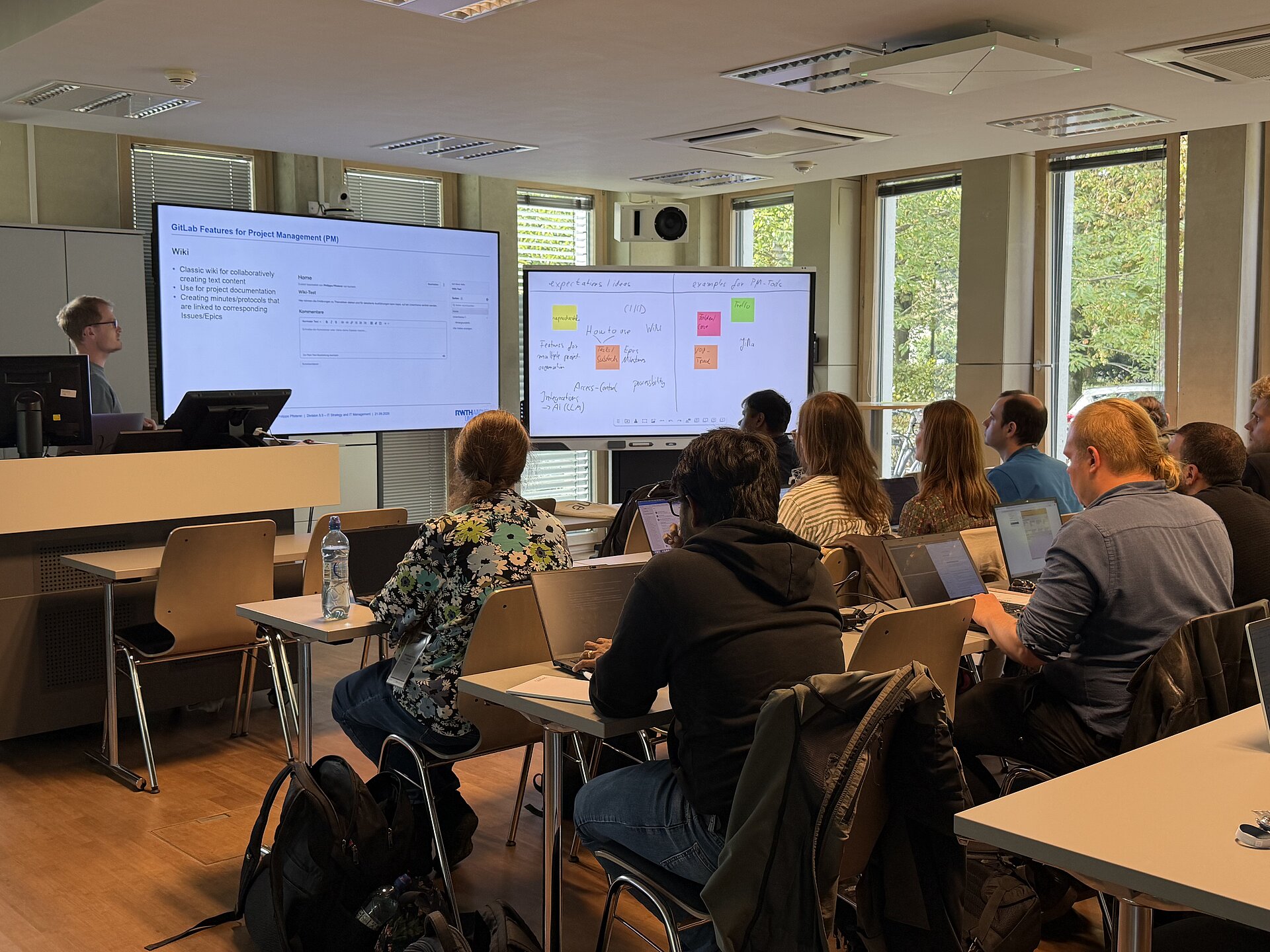
Beyond the keynote sessions, the event was shaped in particular by its interactive formats. The workshops provided opportunities to explore new methods and tools in a hands-on setting and to deepen participants’ knowledge and skills. Topics ranged from getting started with NRW’s HPC infrastructure and developing reliable and efficient software with Rust to Python performance optimization, containerization with Singularity and Apptainer, and reproducible software environments with Pixi. Further sessions focused on FAIR Data and Coscine, deep learning on HPC systems and the responsible use of Large Language Models.
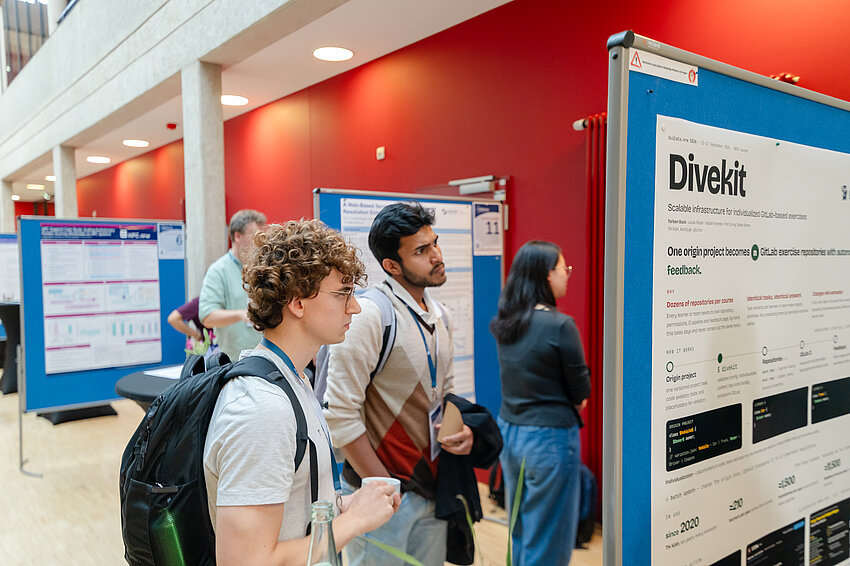
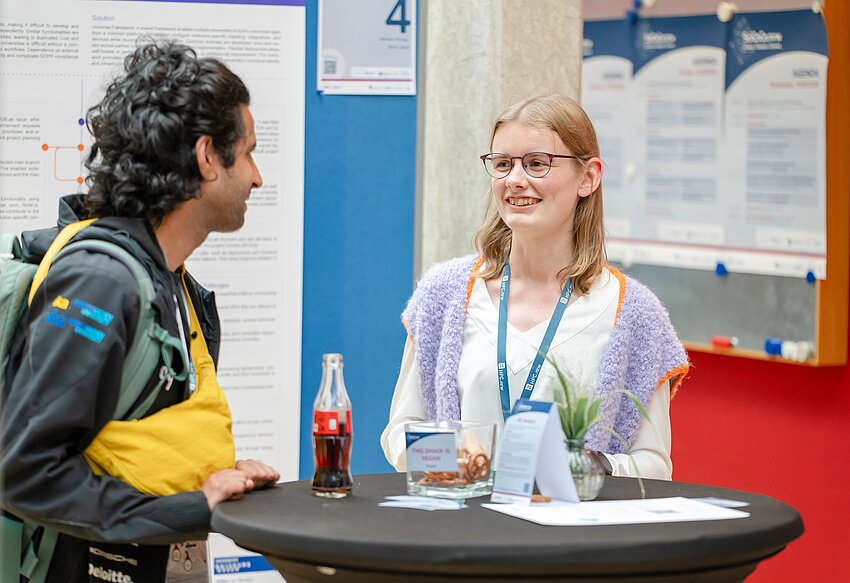
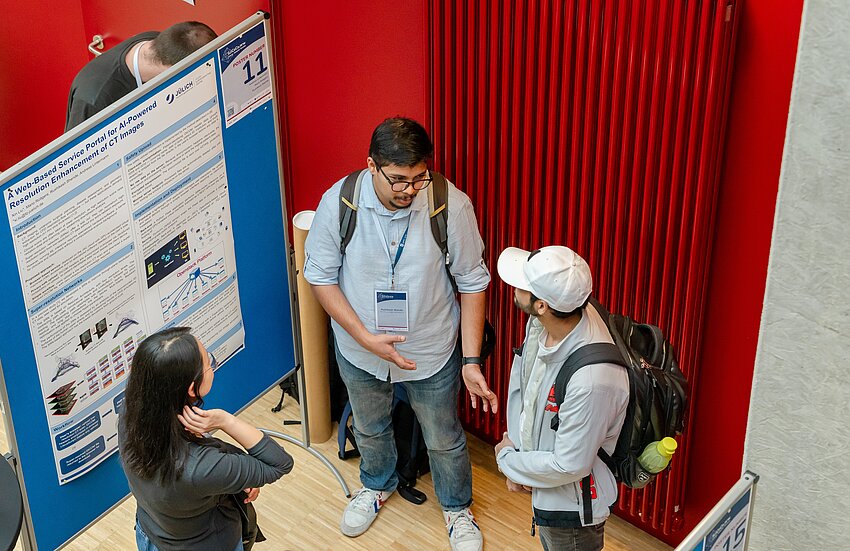
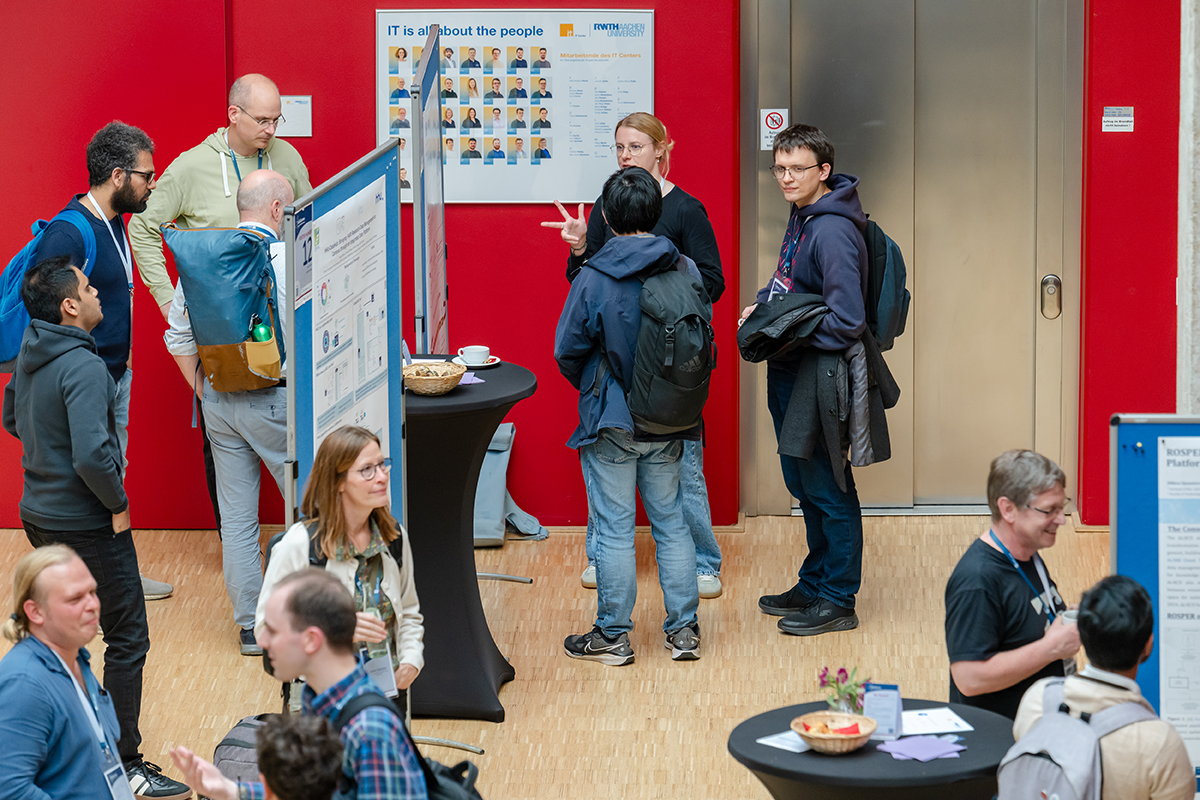
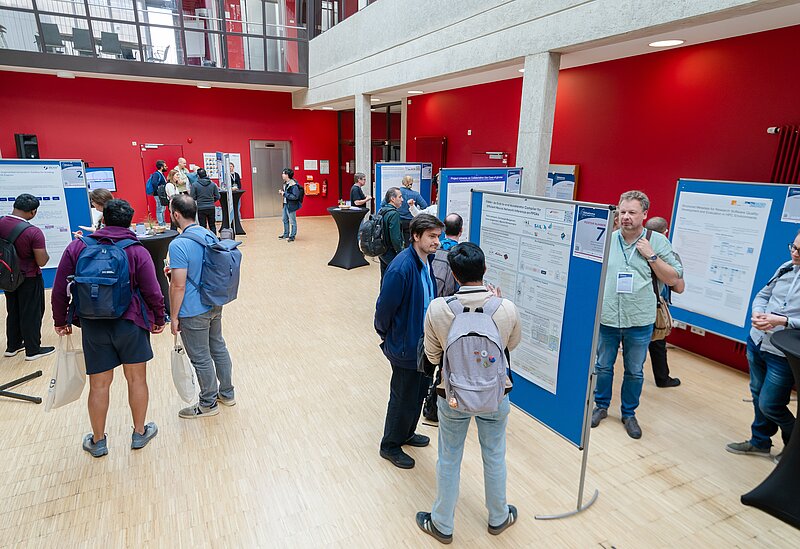
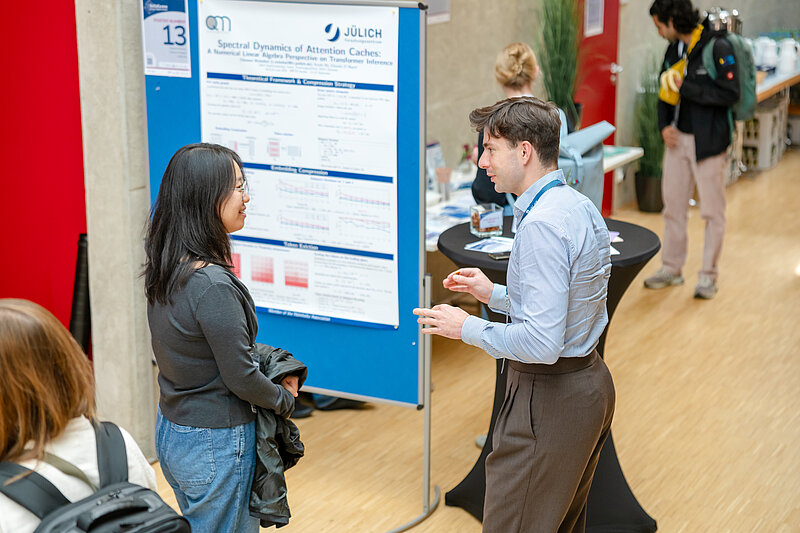
The poster session played a particularly prominent role, running throughout all three days of the event. The diverse range of posters showcased current research projects, technical developments, and practical challenges from different areas of scientific computing. With the posters on display throughout the event, participants had numerous opportunities for in-depth discussions, questions, and direct exchange with the poster presenters. The poster session thus provided a lively complement to the talks and workshops while highlighting the breadth of topics and projects represented at the conference.
Community and Birds-of-a-Feather sessions provided additional opportunities for discussion and the exchange of experiences. Topics ranged from digital sovereignty at universities and reproducible science to the handling of sensitive data and connecting members of the Women in HPC community. The sessions addressed both strategic questions and concrete challenges arising in research and practice.
A Successful Start
With the first SciCoCo.nrw, HPC.nrw has created a new meeting place for the scientific computing community in North Rhine-Westphalia. The event combined in-depth expertise with hands-on learning while also providing space for open dialogue and personal exchange.
Our sincere thanks go to all speakers, workshop leaders, poster presenters, and participants who enriched SciCoCo.nrw 2026 with their expertise, perspectives, and open exchange. We would also like to thank our cooperation partners DKZ.2R, fdm.nrw, git.nrw, ZB MED, and Coscine for their support. Special thanks go to NEC and MEGWARE for their financial support of the catering and for helping create a welcoming atmosphere at the event.
SciCoCo.nrw aims to establish itself as a recurring event within the HPC.nrw context, bringing together the scientific computing community across North Rhine-Westphalia. Hosted at different locations, it will provide opportunities for professional exchange, new impulses, and networking across institutional and disciplinary boundaries.